One of the consequences of obesity is the increased risk of other harmful diseases such as diabetes, cancer, coronary heart disease, and hypertension. Many of you have obesity… do you also have high cholesterol? Type 2 diabetes? High blood pressure?
Although combating obesity by loosing weight is our main focus, we must consider our other diseases (if applicable) and how loosing weight can help us in more ways than one!
Did you know?
28% of women and 26% of men who present with hypertension, have it because of excess body weight?1
If you remember from one of my previous blog posts, excess body weight is one of obesity’s definitions.2,4 This statistic is significant! Also similar to obesity, hypertension is a global epidemic and can lead to other harmful cardiovascular diseases as well.1,4 Lucky for us, a modification in lifestyle can help us combat two birds with one stone – obesity and hypertension!
What is hypertension?
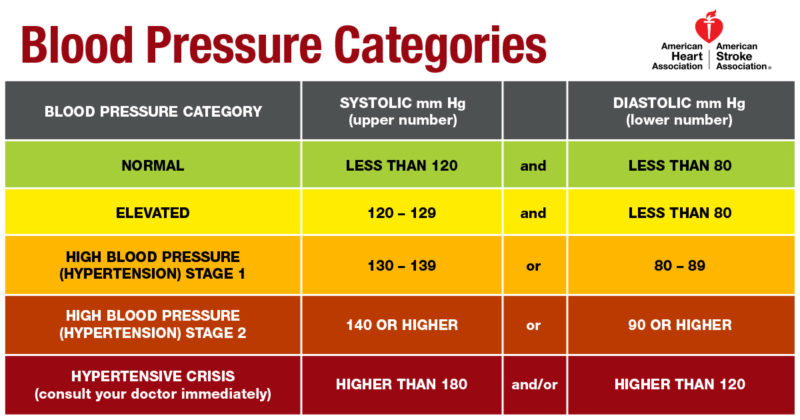
Hypertension (or high blood pressure) is defined as refers to the pressure that blood applies to the inner walls of the arteries. More specifically, hypertension is a systolic blood pressure of 130 – 139 mm Hg (the top number) or a diastolic blood pressure of 80 – 89 mm Hg (the bottom number).1,5 There are 3 stages of hypertension (stage 1, 2 and hypertensive crisis), outlined below5:
What does the research say?
Plant-based diets have the power to facilitate our weight loss goals in overweight and obese individuals and contribute other benefits such as improved blood sugar control.6-8 Furthermore, research dating back almost a century has demonstrated benefits of plant-based foods on the development and management of hypertension.4,6-8 It also can decrease reliance on medications such as ACE inhibitors, diuretics, and calcium channel blockers.4,8
So…now what?
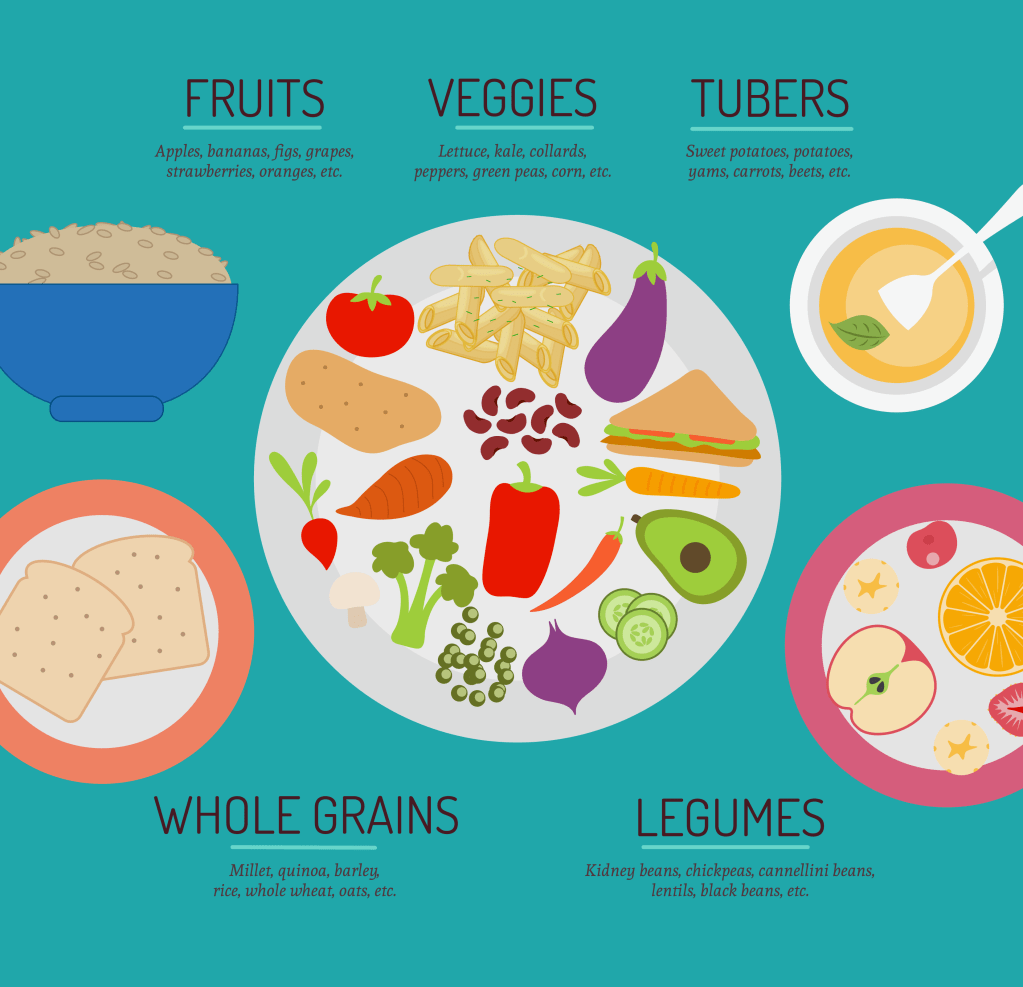
Eat more vegetables!
But… how can I do that?
A lot of lifestyle and diet modifications are made due to shifts in our mindsets and environments.9
- Make it convenient (and easy)!
- Meal prepping
- Making grocery lists
- Pre-order groceries when not hungry
- Stock pantry and refrigerator with healthy snacks
- Create healthy habits (repeat, repeat, repeat)
- Eat fruits and vegetables first at mealtimes
- Make it enjoyable (even fun)!
- Experiment with new foods and flavors
- Be patient with yourself
- Create social experiences (e.g., having family/friends over for dinner)
- Share your experiences (on social media, on the blog, with family/friends)
Until next time!
References:
- Delaney J. Hypertension and obesity: How weight-loss affects hypertension. Obesity Action Coalition Web site. https://www.obesityaction.org/community/article-library/hypertension-and-obesity-how-weight-loss-affects-hypertension/. Updated 2009. Accessed February 18, 2020.
- Global health observatory (GHO) data: Overweight and obesity; World Health Organization Web site. https://www.who.int/gho/ncd/risk_factors/overweight_obesity/obesity_adults/en/. Updated 2017. Accessed November 26, 2019.
- Community nutrition. Planning health promotion and disease prevention, 3rd edition. ProtoView. 2017;2017(45).
- Joshi S, Ettinger L, Liebman SE. Plant-based diets and hypertension. American Journal of Lifestyle Medicine. 2019:155982761987541. doi: 10.1177/1559827619875411.
- Understanding blood pressure readings. American Heart Association Web site. https://www.heart.org/en/health-topics/high-blood-pressure/understanding-blood-pressure-readings. Updated 2017. Accessed February 18, 2020.
- Ley, Sylvia H, PhD|Hamdy, Osama, MD|Mohan, Viswanathan, MD|Hu, Frank B, Prof. Prevention and management of type 2 diabetes: Dietary components and nutritional strategies. Lancet, The. 2014;383(9933):1999-2007. doi: 10.1016/S0140-6736(14)60613-9.
- Chen Z, Zuurmond M, van der Schaft N, et al. Plant versus animal based diets and insulin resistance, prediabetes and type 2 diabetes: The rotterdam study. Eur J Epidemiol. 2018;33(9):883-893. doi: 10.1007/s10654-018-0414-8.
- Tuso PJ, Ismail MH, Ha BP, Bartolotto C. Nutritional update for physicians: Plant-based diets. The Permanente journal. 2013;17(2):61-66. doi: 10.7812/TPP/12-085.
- Riis J. The behavioral science of increasing fruit and vegetable consumption. Have A Plant Web site. https://fruitsandveggies.org/stories/the_behavioral_science_of_increasing_fruit_and_vegetable_consumption/. Accessed February 18, 2020.
 Eating Plants With Sophia